


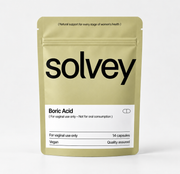
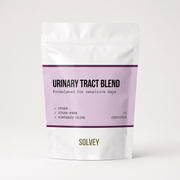
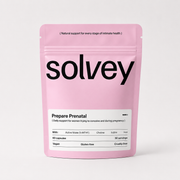
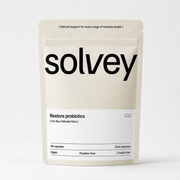
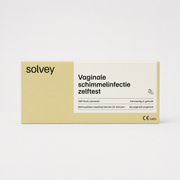
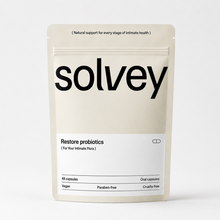
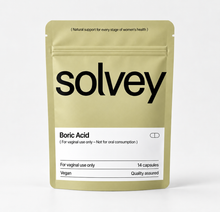
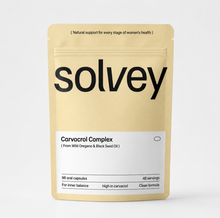
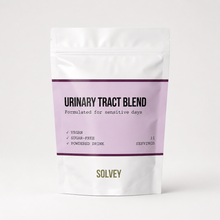
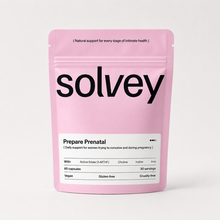


Al snel na levering krijg je de vraag om een review te plaatsten. Ik heb extra lang gewacht om de producten goed te testen en ja ze werken. Eindelijk iets dat echt werkt. Ik moet wel blijven gebruiken en gebruik verschillende producten van Solvey maar van de crème had ik bijvoorbeeld niet gedacht dat ik daar zo snel verlichting van zou voelen. Een must have item! Een beetje irritatie. Even smeren en weg!
Kennis
Featured
18 artikelen Vaginale gezondheidJe vaginale microbioom: een levend, zelfregulerend ecosysteemDe vagina heeft een eigen ecosysteem dat grotendeels zelf in evenwicht blijft.Lees meer
 mythsVaginale gezondheidWhy do we follow wellness trends for our vaginas?You can find a lot of information about vaginal wellness online nowadays, but what is true and what isn't?Lees meer
 symptomsSeksPill, IUD, condom: what does contraception do to your vaginal health?Maybe you have noticed that your intimate health felt a bit "off" after starting new contraception methods. Find an overview on how your birth control affects your vaginal balance.Lees meer
 symptomenVaginale gezondheidWaarom je bekkenbodem zich aanspant na terugkerende schimmelinfectiesTerugkerende schimmelinfecties of BV kunnen je bekkenbodem gespannen houden, en daardoor kan seks pijn gaan doen. Lichaamsgericht therapeut Jamie legt uit hoe dat komt en deelt drie yoga-oefeningen waarmee je bekkenbodem stap voor stap weer ontspant.Lees meer
 symptomenVaginale gezondheidHeeft je anticonceptie invloed op je vaginale microbioom?Heb je je ooit afgevraagd of het gebruik van anticonceptie invloed heeft op je vaginale gezondheid? Of is dat gewoon een fabeltje?Lees meer
 mythesSeksNiet het virus, maar het stigma: waarom is herpes nog steeds zo’n taboe?Herpes is een veelvoorkomend virus. De schaamte die ermee gepaard gaat, hebben we zelf gecreëerd, en dat is iets wat we kunnen en moeten veranderen.Lees meer
 symptomenVaginale gezondheidWaarom komt je schimmelinfectie steeds weer terug?Veel vrouwen hebben last van terugkerende schimmelinfecties in de vagina. Dit evenwicht kan door verschillende factoren worden verstoord.Lees meer
 symptomenVaginale gezondheidHoe terugkerende vaginale klachten je relatie met je lichaam beïnvloedenDe mogelijke invloed van terugkerende vaginale klachten op je verbinding met je lichaamLees meer
 clitorisVaginale gezondheidBinnen en buiten: de vrouwelijke anatomie leren kennenDe vrouwelijke anatomie: kennismaken met de vulva, de vagina en de clitorisLees meer
 basisVaginale gezondheidJe vaginale microbioom: een levend, zelfregulerend ecosysteemDe vagina heeft een eigen ecosysteem dat grotendeels zelf in evenwicht blijft.Lees meer
 symptomenVaginale gezondheidWat is bacteriële vaginose en hoe ontstaat deze aandoening?Bij bacteriële vaginose raakt het evenwicht van de vaginale flora verstoord.Lees meer
 mythesVaginale gezondheidVaginale reiniging: waarom water vaak voldoende isVaginale spoelingen geven misschien een ‘schoon’ gevoel, maar ze verstoren in feite het natuurlijke evenwicht.Lees meer
 basisBlaas gezondheidWaarom krijgen vrouwen vaker blaasontstekingen?Door de vrouwelijke anatomie is de blaas gevoeliger voor bacteriën die vanuit de darmen omhoog komen.Lees meer
 symptomenBlaas gezondheidEen blaasontsteking herkennen: symptomen, terugkeer van de aandoening en wanneer je naar de dokter moet gaanBij terugkerende infecties is een juiste diagnose belangrijker dan op eigen houtje te experimenteren.Lees meer
 cyclusVruchtbaarheid en zwangerschapDe vruchtbaarheidsperiode: wat moet je weten?De kans om zwanger te worden varieert gedurende je cyclus.Lees meer
 voorbereidenVruchtbaarheid en zwangerschapFoliumzuur of folaat: waarom dit onderscheid van belang is tijdens je vruchtbaarheidstrajectHet verschil tussen foliumzuur en folaat is groter dan je misschien denkt.Lees meer
 gezondheidSeksSOA’s: symptomen en behandelingVeel soa’s geven geen klachten, daarom is het altijd belangrijk om je te laten testen.Lees meer
 symptomenHormonenPMS, PMDD, PMOS: drie verschillende verhalenDezelfde letters, andere omstandigheden. Wat je moet weten en hoe je ze kunt herkennen.Lees meer
 cyclusHormonenHormonen! Is cycle syncing de moeite waard?Hoe je energie, trek en stemming veranderen gedurende je cyclusLees meer
Nog geen artikelen in dit onderwerp. Kies hierboven een ander onderwerp.
Our experts
The people behind the knowledge. Specialists in women's health who contribute their ideas and review the material.

Torwen Eerkens
Diëtist
Torwen is diëtiste en legt zich toe op darmgezondheid, de gezondheid van vrouwen en sportvoeding. Daarnaast vertaalt ze haar expertise naar heldere en toegankelijke informatie over voeding en gezondheid.

Jolien Daenen
Lichaamsgericht therapeut
Jolien begeleidt vrouwen bij bekkenontspanning door hen te helpen weer contact te maken met hun bekken, yoni en baarmoeder. https://joliendaenen.nl/

Ellen de Groot
Orthomoleculair therapeut
Ellen begeleidt cliënten met aanvullende zorg, waarbij de nadruk ligt op voeding, levensstijl en beweging. Haar expertisegebieden omvatten plantaardige voeding, darmgezondheid en hormonale gezondheid. https://orthohealthdetox.nl/

Jamie Klomp
Lichaamsgericht therapeut, vaginisme coach & ervaringsdeskundige
Jamie begeleidt in haar eigen praktijk vrouwen op hun weg naar een prettig, pijnvrij seksleven. https://linktr.ee/Jamieelise.com
Stay informed and get wiser
New articles and honest conversations about your intimate health, straight to your inbox.