
Wonder pillen zijn het!
1x keer gebruikt...en moet zeggen....het werkt!
Don't be shy to shoot us a message!
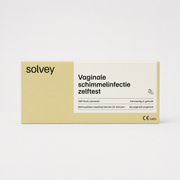
A vaginal yeast infection, medically known as vulvo vaginal Candidiasis, is a common fungal infection caused by an overgrowth of the yeast Candida albicans, which normally lives in small amounts in the vagina without causing harm. When the natural balance in the vagina is disturbed by things like antibiotics, hormonal changes (e.g. during pregnancy or from birth control), high blood sugar, stress, or tight synthetic clothing. The yeast can multiply and cause an infection. This is not a sexually transmitted infection, but it can sometimes be passed between sexual partners. It’s very common: around 75% of women will have at least one in their lifetime, and some experience them recurrently. It’s not dangerous, but it can be very uncomfortable.
Common Symptoms of a Vaginal Yeast Infection:
● Itching or irritation in and around the vagina
● A burning feeling, especially when urinating or during sex
● Redness and swelling of the vulva
● Thick, white vaginal discharge that looks like cottage cheese (usually odorless)
● Soreness or a raw feeling
● A dry feeling in the vaginal area
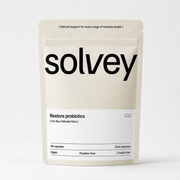
Bacterial vaginosis (BV) is a common vaginal infection that occurs when there is an imbalance in the natural bacteria in the vagina. Normally, the vagina has a healthy mix of good bacteria, mainly lactobacilli, which help keep the vaginal pH slightly acidic and prevent harmful bacteria from growing. In BV, the amount of lactobacilli decreases and harmful bacteria, like Gardnerella vaginalis, can overgrow. This imbalance is not fully understood, but it can be triggered by things like unprotected sex, having new or multiple partners, douching, or even hormonal changes. BV is not a sexually transmitted infection, but sexual activity can influence the bacterial balance. It’s the most common vaginal infection in women of reproductive age. While it’s usually mild, untreated BV can increase the risk of STIs, complications in pregnancy, or pelvic infections.
Common Symptoms of Bacterial Vaginosis:
● Thin, watery discharge (usually white or gray in color)
● Strong fishy odor, especially after sex
● Mild itching or irritation (less common than with a yeast infection)
● Slight burning during urination (sometimes)
● Discharge may be more noticeable after sex or during your period
● Often, BV causes no symptoms at all
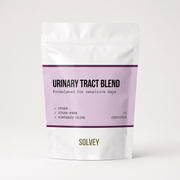
A bladder infection, medically known as a
urinary tract infection (UTI), specifically affects the bladder, causing
inflammation and irritation. It usually occurs when bacteria, most commonly Escherichia coli (E. coli), from the
intestines enter the urinary tract and travel up to the bladder. UTIs are more
common in women because of their shorter urethra, which makes it easier for
bacteria to reach the bladder. Risk factors include sexual activity, poor hygiene,
pregnancy, diabetes, a weakened immune system, or not urinating after sex.
Symptoms of a bladder infection can range from mild to severe, and it’s
important to treat it promptly to avoid it spreading to the kidneys, which can
cause more serious complications. Treatment typically involves antibiotics.
A disrupted vaginal pH occurs when the natural acidic environment of the vagina becomes unbalanced, often leading to discomfort or infections. Normally, the vaginal pH is slightly acidic, around 3.8 to 4.5, which helps prevent the growth of harmful bacteria and fungi. A disrupted pH can result from various factors, such as douching, using scented products, hormonal changes (like pregnancy or menopause), antibiotics, or sexual activity. When the pH becomes too high (alkaline), it can encourage the growth of harmful bacteria, leading to infections like bacterial vaginosis (BV) or yeast infections. A disrupted pH can cause irritation, abnormal discharge, and an increased risk of infections. The best way to manage a disrupted pH is to maintain proper vaginal hygiene, avoid irritants, and seek medical treatment if necessary.
Common Symptoms of a Disrupted Vaginal pH:
● Abnormal vaginal discharge (color, consistency, or smell may change)
● Itching or irritation in and around the vaginal area
● Burning sensation during urination or intercourse
● Strong fishy odor (common in bacterial vaginosis)
● Pain or discomfort during sex
● Redness or swelling of the vulva
Yes! We believe in offering products that are both effective and ethically made, so all of our products are 100% vegan. We care about your health and the planet, which is why we ensure that no animal-derived ingredients are used.
If the product you want is out of stock, you can pre-order it and we’ll make sure to ship it to you as soon as it’s back in stock.
If pre-ordering isn’t an option, unfortunately, you’ll need to wait until the product becomes available again. We’re working hard to restock as quickly as possible!
Just give them a cozy spot! Store your products in a cool, dry place; away from heat, humidity, and direct sunlight. And of course, keep them out of reach of curious little hands.
Yes, fungi can be transmitted during sex, even if your partner has no symptoms. It can therefore be helpful for your partner to undergo treatment as well (e.g., using an antifungal cream prescribed by a doctor), so you don't keep reinfecting each other.
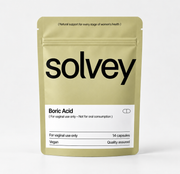
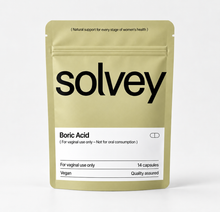
Additionally, Boric Acid is meant to be used at specific times, such as after sex or menstruation, and should not be used daily.
If you have more questions, feel free to reach out! ❤️
We aim to respond within one business day. We do our very best to get back to you as quickly as possible!
Wonder pillen zijn het!
1x keer gebruikt...en moet zeggen....het werkt!
Zeer goed product!