

Why extra support is sometimes needed for recurring vaginal complaints
Many women recognize the pattern: symptoms improve for a short time, only to return again. This is especially common with bacterial vaginosis (BV) and vaginal yeast infections. Research shows that 30–50% of women experience recurrence within three months, even after standard treatment (Sobel, 2007).
This usually does not happen because of a “new infection,” but because the vaginal balance remains disrupted (Sobel, 2007). Residual bacteria may remain present, vaginal pH may stay elevated, and certain microorganisms can protect themselves inside biofilms (Swidsinski et al., 2005).
As a result, conventional treatments may reduce symptoms temporarily, while the underlying imbalance continues (Sobel, 2007).
What is carvacrol?
Carvacrol is the main active compound found in wild oregano oil (Origanum vulgare) and has been studied for decades for its natural antimicrobial properties (Burt, 2004).
Scientific studies show that carvacrol is active against several microorganisms involved in vaginal complaints, including BV-associated bacteria such as Gardnerella vaginalis and yeasts such as Candida albicans (Burt, 2004; Marchese et al., 2016).
Unlike many pharmaceutical treatments, carvacrol does not target a single biochemical pathway. Instead, it works directly on the protective membrane of bacteria and fungi, which reduces the risk of microbial resistance (Burt, 2004).
How carvacrol works in the body
Carvacrol interacts with the cell membrane of bacteria and fungi, weakening its structure and increasing permeability (Burt, 2004).
When this protective layer is damaged, essential components leak out of the cell, preventing further growth and ultimately leading to cell death (Marchese et al., 2016).
This mechanism has been demonstrated in laboratory studies involving both bacterial and fungal organisms, including Candida albicans and BV-associated bacteria (Marchese et al., 2016).
Because this effect is physical rather than receptor-based, microorganisms are less able to develop resistance compared to conventional antifungal drugs (Burt, 2004).
The role of biofilms in recurring infections
One of the main reasons vaginal complaints frequently return is the presence of biofilms (Swidsinski et al., 2005).
Biofilms are protective layers created by microorganisms that allow them to survive treatment and evade the immune system (Swidsinski et al., 2005).
In bacterial vaginosis, Gardnerella vaginalis is known to form dense biofilms on the vaginal lining, which explains why symptoms often return after treatment (Swidsinski et al., 2005).
Research indicates that carvacrol is able to penetrate and disrupt microbial biofilms, making bacteria more vulnerable and reducing persistence (Marchese et al., 2016; Sharifi-Rad et al., 2018).
Oral support and the gut–vagina axis
Vaginal health is closely connected to gut microbiota through the gut–vagina axis (Cribby et al., 2008).
Imbalances in the intestinal microbiome have been associated with reduced Lactobacillus dominance in the vagina and increased susceptibility to infections (Cribby et al., 2008).
Because carvacrol is taken orally, it works from within the body and may help reduce internal pathogenic overgrowth, indirectly supporting vaginal microbial stability (Cribby et al., 2008).
Carvacrol is not a probiotic, and why that matters
Carvacrol does not add beneficial bacteria to the body (Marchese et al., 2016).
Instead, it helps reduce unwanted microbial overgrowth, creating space for beneficial Lactobacillus species to re-establish (Burt, 2004).
For this reason, scientific literature often supports combining antimicrobial compounds with probiotics to support long-term microbiome recovery (Cribby et al., 2008).
Safety and tolerability
Carvacrol has been extensively studied and is generally well tolerated when used orally within appropriate dosages (Burt, 2004; Marchese et al., 2016).
In summary
Recurring vaginal complaints are usually not caused by a single infection, but by a disrupted microbial ecosystem (Sobel, 2007).
Carvacrol offers a science-backed natural support by:
-
targeting BV- and Candida-related microorganisms (Marchese et al., 2016)
-
helping disrupt protective biofilms (Sharifi-Rad et al., 2018)
-
reducing resistance risk due to its membrane-based mechanism (Burt, 2004)
-
supporting balance via the gut–vagina axis (Cribby et al., 2008)
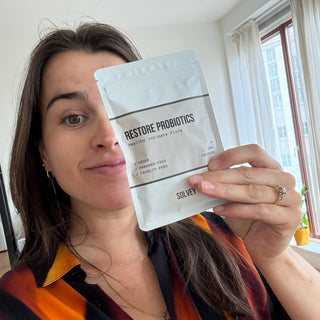
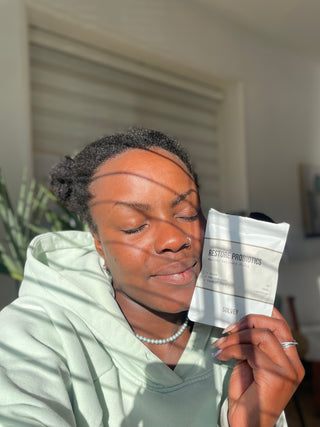
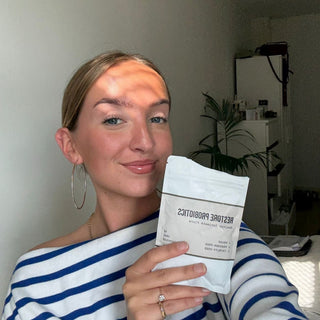
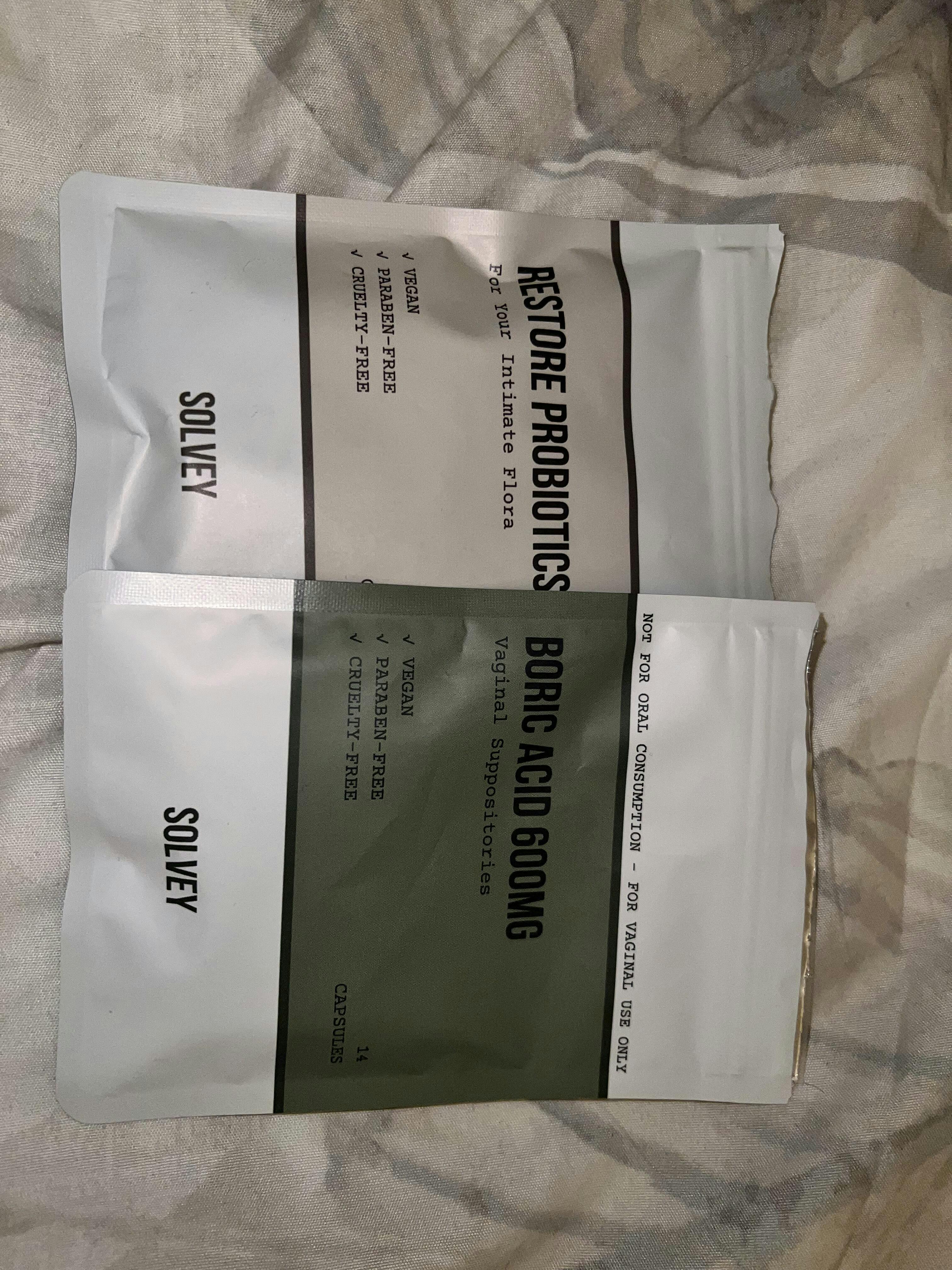
When combined with probiotics such as Restore Probiotics, this approach supports both clearing imbalance and rebuilding healthy vaginal flora.